
Purchasing clothing has become more expensive, with apparel prices rising 4.2% year over year in April 2026, outpacing overall inflation, according to data from the U.S. Bureau of Labor Statistics.
As consumer spending habits shift, brand recognition alone is no longer enough to maintain loyalty. Shoppers are becoming more selective about where they spend, forcing apparel companies to rethink pricing strategies, product offerings, and overall consumer experience to remain competitive.
The changing retail landscape has fueled a growing wave of collaborations between fashion retailers and high-profile celebrities and designers. These partnerships help brands generate excitement, attract new audiences, and reinforce their relevance in an increasingly crowded market.
As consumers become more price-conscious, retailers are also balancing affordability with aspirational apparel. In response, several major brands have launched exclusive collaborations with influential names in fashion, entertainment, and pop culture to democratize luxury while expanding brand visibility.
Recent examples include Gap appointing Zac Posen as creative director and Target partnering with brands such as Diane von Furstenberg, Lilly Pulitzer, Levi’s, and Kendra Scott. H&M recently revived its collaboration with Stella McCartney two decades after its original partnership, while Zara entered a two-year creative partnership with John Galliano.
Now, another collaboration that had been widely speculated about online for months has officially been confirmed.
Zara launches limited-edition Bad Bunny collection
Zara is partnering with award-winning Puerto Rican musical artist Bad Bunny to release a limited-edition apparel collection titled “Benito Antonio,” a reference to the artist’s real name.
The company debuted the collaboration through an exclusive pop-up event at Plaza Las Américas mall on May 16 in Bad Bunny’s hometown of San Juan, Puerto Rico, where the artist made an appearance, according to fan videos and social media posts.
For the launch, Zara transformed the store into an immersive shopping experience, giving local fans first access to the collection. The line features colorful suiting, hoodies, jackets, tops, shorts, denim, and caps inspired by Bad Bunny’s signature style, blending streetwear influences and elevated tailoring.
The Benito Antonio collection is currently available exclusively in Puerto Rico stores and is scheduled to launch online on May 21 through Zara’s official website. Although the company has not confirmed a wider global rollout, promotional announcements have appeared across multiple regional Zara platforms.
“I’m so excited to see what he brings to the table. I’m just jealous that I don’t get to experience it at Plaza Las Américas,” one Bad Bunny fan and content creator said in a TikTok video reacting to the launch.
Bad Bunny is widely regarded as one of the most influential artists of his generation. The Puerto Rican singer and songwriter has broken global streaming records, becoming Spotify’s most-streamed artist worldwide for multiple consecutive years, and made history as the first artist to win the Grammy Award for Album of the Year with a Spanish-language record.
Why Zara’s partnership with Bad Bunny makes strategic sense
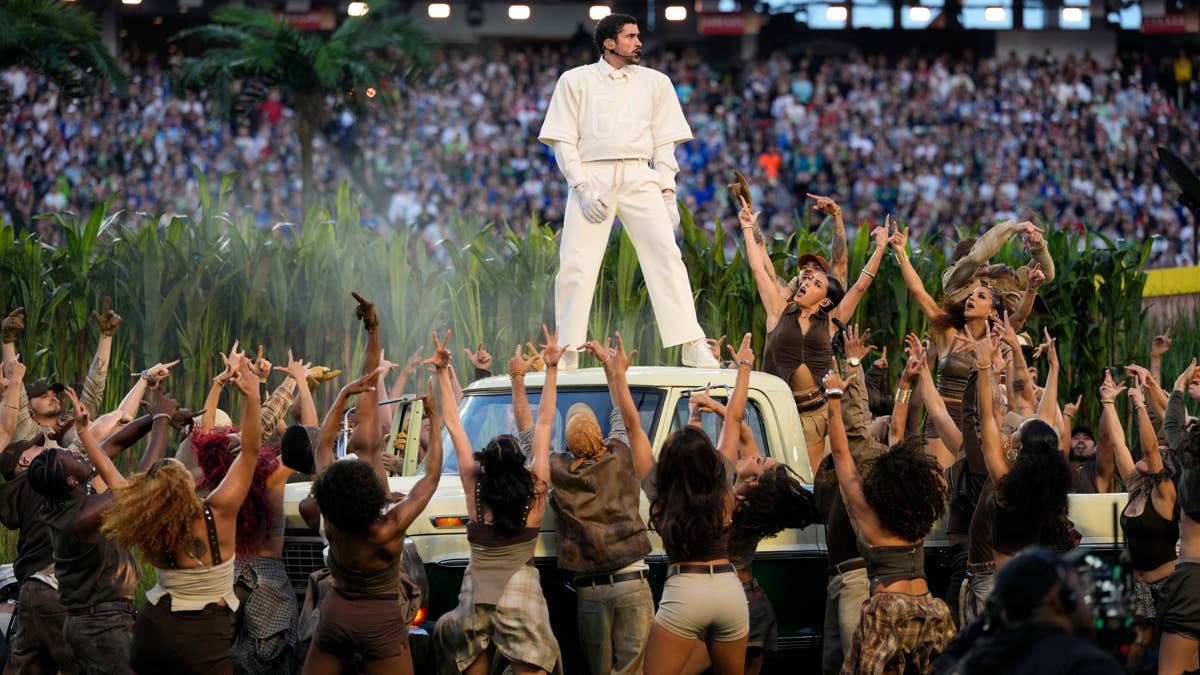
Rumors surrounding the collaboration between Bad Bunny and Zara intensified after the artist repeatedly wore the retailer’s brand during major public appearances, including Super Bowl LX and the 2026 MET Gala.
At Super Bowl LIX, Zara designed the outfits not only for Bad Bunny but also for his dancers, band members, and orchestra performers. Fashion analysts suggested the wardrobe choice reflected broader economic trends influencing consumer behavior.
“One quietly uttered message may have been about accessibility — and a reluctance to flaunt wealth at a time when many American households face rising costs,” said CNN Style expert Oscar Holland.
According to the McKinsey & Company State of Fashion 2026 Report, the global fashion industry is projected to grow only in the low single digits in 2026 as macroeconomic volatility, tariff pressures, and weaker consumer sentiment continue to weigh on demand, particularly in the U.S.
Affordability has long been central to Zara’s value proposition, and appearing on one of the world’s largest entertainment stages significantly expanded the retailer’s visibility among mainstream consumers.
“The interest in Bad Bunny’s ensemble should help drive more customers to the company’s physical and online stores,” said Bloomberg Goods and Retail Industry Expert Andrea Felsted. “Its debut on the halftime stage will be a pivotal point in its development, rather than a fashion faux pas.”
How Inditex is using collaborations to support long-term growth
Over the past several years, Zara’s parent company Inditex (IDEXY) has executed a large-scale expansion and modernization strategy, investing €900 million (approximately $1.05 billion) annually to strengthen logistics capabilities, renovate stores, relocate or open stores in higher-traffic areas, and close underperforming locations to improve efficiency and long-term profitability.
“The end result of our unique approach is the integration of the physical with the online experience in a seamless manner that permits us, across multiple formats, to rapidly react to changing fashion trends and offer the latest collections,” Inditex CEO Óscar García Maceiras said in the company’s third-quarter earnings call.
According to its full-year 2025 earnings report, Inditex has closed 103 stores across nearly all of its brands year to date as of January 2026, reducing its total physical footprint by about 6%.
However, openings continued to outpace closures. In 2025 alone, the company opened 190 stores in 41 markets, refurbished 217 locations, expanded 96 units, and completed 293 absorptions, ending the year with 5,460 locations worldwide. Zara’s standalone store count remained stable at approximately 1,500 locations globally.
The company’s strategy appears to be delivering results. In 2025:
- Total sales increased 3.2% to €39.9 billion (around $46.3 billion)
- All brands reported positive sales growth
- Gross profit increased 3.9%
- Gross margin reached 58.3%
Why physical retail still matters, despite store closures
Despite Inditex’s resilience, widespread retail closures continue reshaping the broader industry.
Similar restructuring efforts have emerged across major brands over the past year. Here’s some of my previous coverage of retail closures:
- Fashion brand shuts down website, all stores may close
- 115-year-old fashion brand exits entire market in 2026
- 170-year-old luxury fashion retailer quietly closes 21 stores
- Mall retail giant closes final store in key city after 26 years
The retail sector remains the largest private-sector employer in the U.S., contributing an estimated $5.3 trillion annually to the country’s GDP and supporting more than one in four U.S. jobs, which totals roughly 55 million workers, according to the National Retail Federation.
Yet e-commerce continues to capture a larger share of consumer spending, prompting many traditional retailers to reevaluate the role of physical stores in their long-term strategies.
According to Capital One Shopping, 84.3% of Americans now shop online. U.S. e-commerce spending reached $1.34 trillion in 2024 and is projected to exceed $2.5 trillion by 2030.
Still, physical retail remains the dominant shopping channel globally.
Research from EY using data from Euromonitor found that brick-and-mortar stores accounted for approximately $14.4 trillion of the world’s $18.9 trillion in retail sales in 2025.
Industry analysts say physical stores remain essential because they continue to support profitability, strengthen brand visibility, improve fulfillment efficiency, and deepen customer engagement.
“It’s clear that the physical store still plays an important role,” said EY Global Retail Leader Malin Andrée and Consumer Senior Analyst Jon Copestake in the research report.
“Not only do stores have plenty of runway left in delivering revenue, but they also have opportunities to drive new growth and alternative revenue streams, and by working in tandem with digital channels, they can maximize returns on investment.”
Related: Mall retail giant closes final store in key city after 26 years