
Buying new furniture is already a significant expense, particularly for those furnishing a new home or replacing large items such as sofas, beds, and dining tables.
And shoppers are facing another potential increase in costs.
Furniture retailers are contending with higher fuel prices, shipping expenses, and tariffs, making it more expensive to manufacture, transport, and deliver merchandise.
The pressures are now also showing up in the prices customers pay.
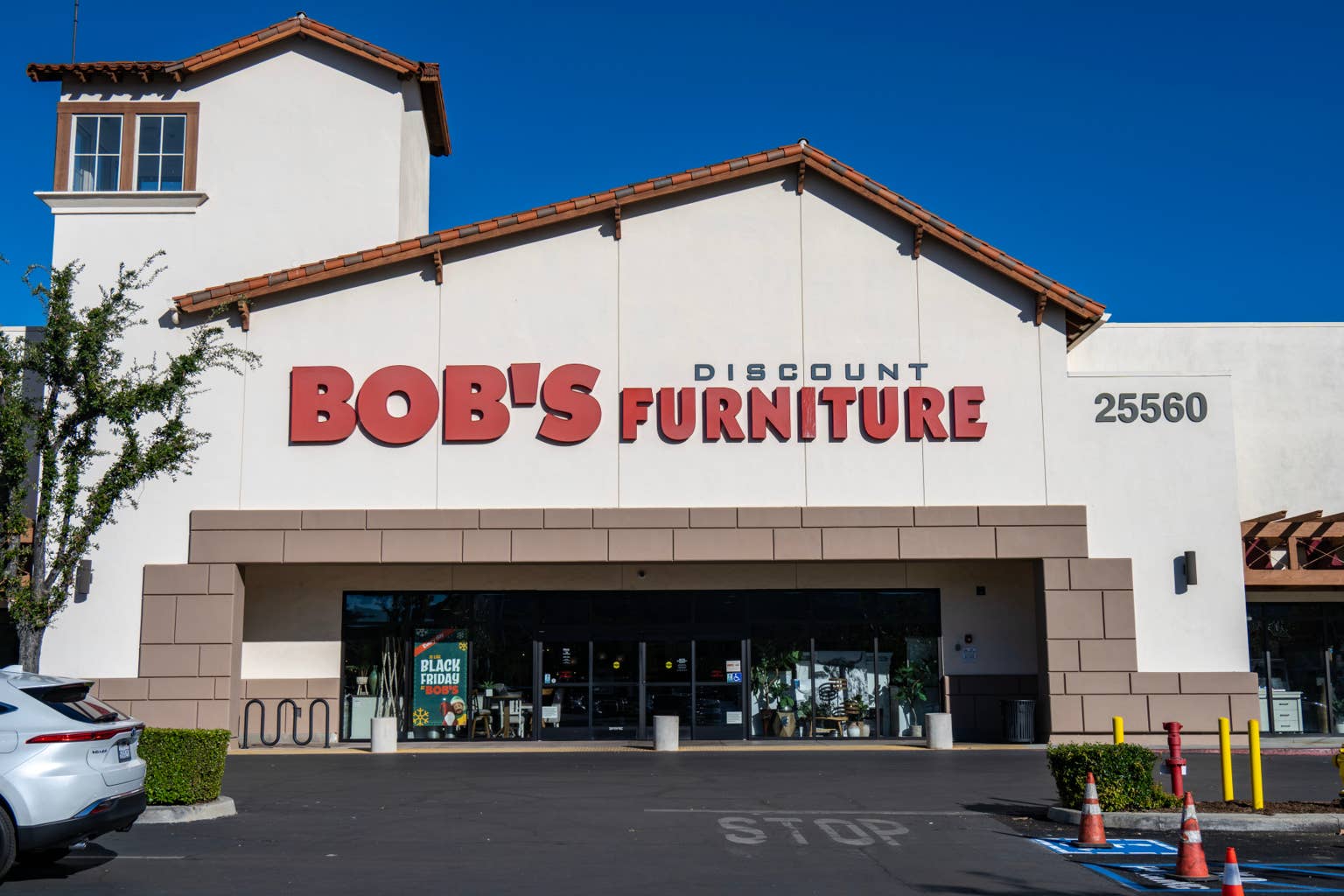
Bob’s Discount Furniture, one of America’s largest discount furniture retailers, confirmed it raised prices during the third quarter and is considering additional adjustments as costs continue to rise.
Meanwhile, higher-end furniture retailer Arhaus has implemented its own price increases, following an earlier change to its delivery fees.
The decisions illustrate how inflationary pressures are affecting furniture retailers across different price categories, from budget-focused chains to luxury brands.
Bob’s Discount Furniture confirms 3.5% price increase
Bob’s Discount Furniture raised prices by approximately 3.5% during the third quarter of 2026, executives confirmed during the company’s Nov. 5 earnings call.
“We took about 3.5% price in Q3,” Chief Financial Officer Carl Lukach said during the earnings call.
Lukach said the company experienced customer responses to the increases that were generally in line with expectations. The retailer did not disclose which specific products or categories experienced the changes or whether the increases were uniform across its stores.
More Retail:
- Struggling home goods chain closing more stores
- Verizon makes changes to be more like T-Mobile used to be
- Home Depot drops generous offers as customers grow harder to win
Bob’s operates 229 stores across 28 states and has built its business around offering lower-priced furniture and home furnishings.
The company reported third-quarter revenue of $680.4 million, up 10.3% from a year earlier, according to its Nov. 5 earnings release.
Comparable sales increased 3.8%, supported by higher average order values and increased online traffic, although foot traffic at physical stores declined.
Bob’s said customers were also increasingly purchasing merchandise from its higher-priced furniture collections.
However, rising transportation costs are creating new challenges.
During the earnings call, Lukach said diesel prices had increased roughly 80% year over year, affecting several parts of its operations, including raw materials, ocean freight, trucking, and home deliveries.
The company is attempting to offset those costs through sourcing changes, transportation efficiencies, and selective price adjustments.
Despite rising costs, Bob’s is continuing to expand its U.S. footprint.
The retailer opened 11 stores during the third quarter, including locations in Tennessee, bringing its total to 229 stores across 28 states.
Bob’s expects to open approximately 20 new stores during fiscal 2026 and has outlined a longer-term ambition to operate more than 500 locations nationwide by 2035.
The company is also developing a new distribution center in Georgia, expected to open in early 2027, to support its growing operations.
The expansion comes as other furniture retailers contend with store closures and changing consumer demand.
CEO Bill Barton also emphasized that raising prices remains a last resort because the retailer wants to protect its reputation for affordability.
Still, management acknowledged that additional price adjustments could be necessary if costs remain elevated. Bob’s has not announced another specific increase or implementation date.
Arhaus raises furniture prices and delivery fees
Bob’s is not the only furniture retailer passing along higher operating costs.
Arhaus, a premium home furnishings chain known for its handcrafted furniture and upscale showroom experience, implemented price increases in October.
The company confirmed the changes during its Nov. 5 earnings conference call.
CFO Michael Lee said the increases were largely a response to rising ocean freight costs and fuel surcharges. Arhaus did not disclose the percentage increase or identify the merchandise categories affected.
The latest adjustments followed another customer-facing change earlier this year.
Arhaus is also using technology to reduce transportation expenses. The company implemented a new Transportation Management System (TMS) in summer 2026 to optimize delivery routes, improve truck capacity, and reduce shipping costs.
Management expects the system to generate $4 million to $5 million in annual savings once fully operational in 2027.
The additional charges come as the cost of delivering furniture has become increasingly unpredictable. Arhaus said fuel surcharges imposed by transportation providers fluctuated between approximately 8% and 12% of delivery costs during the third quarter.
The retailer is also facing higher international shipping costs.
Arhaus purchases approximately 6,000 to 7,000 shipping containers annually, and management estimates that higher ocean freight rates will add $5 million to $6 million to costs over the year.
Those expenses are expected to continue affecting the company’s inventory costs into 2027.
The higher costs have emerged even as Arhaus reports stronger customer demand.
The company reported third-quarter revenue of $368 million, an increase of 6.8% year over year, according to its earnings release.
Comparable written sales, which reflect the value of new customer orders, increased 13.9%.
However, adjusted EBITDA declined 12.3% to $27 million, underscoring the challenges of converting stronger sales into higher profitability.
What it means for people buying furniture
Bob’s latest price increases highlight a broader challenge for furniture retailers.
Unlike smaller consumer products, furniture frequently involves substantial shipping and handling expenses, from transporting imported merchandise to warehouses to delivering large items to customers’ homes.
Rising fuel costs therefore affect multiple stages of the process.
Both Bob’s and Arhaus are attempting to reduce those expenses through operational improvements.
Bob’s is using technology to improve delivery-route efficiency, while Arhaus has introduced a new transportation management system that it expects will produce annual savings of $4 million to $5 million once fully implemented.
The cost pressures are also emerging after a difficult period for parts of the furniture industry.
As TheStreet previously reported, retailers have been navigating changing consumer shopping patterns, tariff-related expenses, and an uneven housing market.
Other chains have struggled to maintain their physical footprints.
TheStreet reported on the closure of most locations operated by discount furniture retailer The Dump, reflecting challenges facing parts of the sector. Meanwhile, the latest government inflation figures suggest furniture prices remain volatile.
According to the Bureau of Labor Statistics, the furniture and bedding price index increased 1.2% in October from September on an unadjusted basis.
The outlook for 2027 remains uncertain.
Bob’s executives said they have hedged their line-haul fuel exposure through the remainder of 2026 but have no comparable hedges in place for 2027.
Arhaus also expects elevated fuel surcharges to persist into at least the first half of next year.
For customers planning major furniture purchases, the changes mean that comparing the advertised price of a sofa or dining table may not tell the full story.
Delivery fees, promotional discounts, and regional pricing policies could all affect the final amount shoppers pay.
Latest Retail News
- Costco has a new member offer that’s hard to pass up
- Jim Cramer sends strong signal to Costco investors
- 80-year-old women’s clothing retailer closing dozens of stores
- Target admits it made two major mistakes